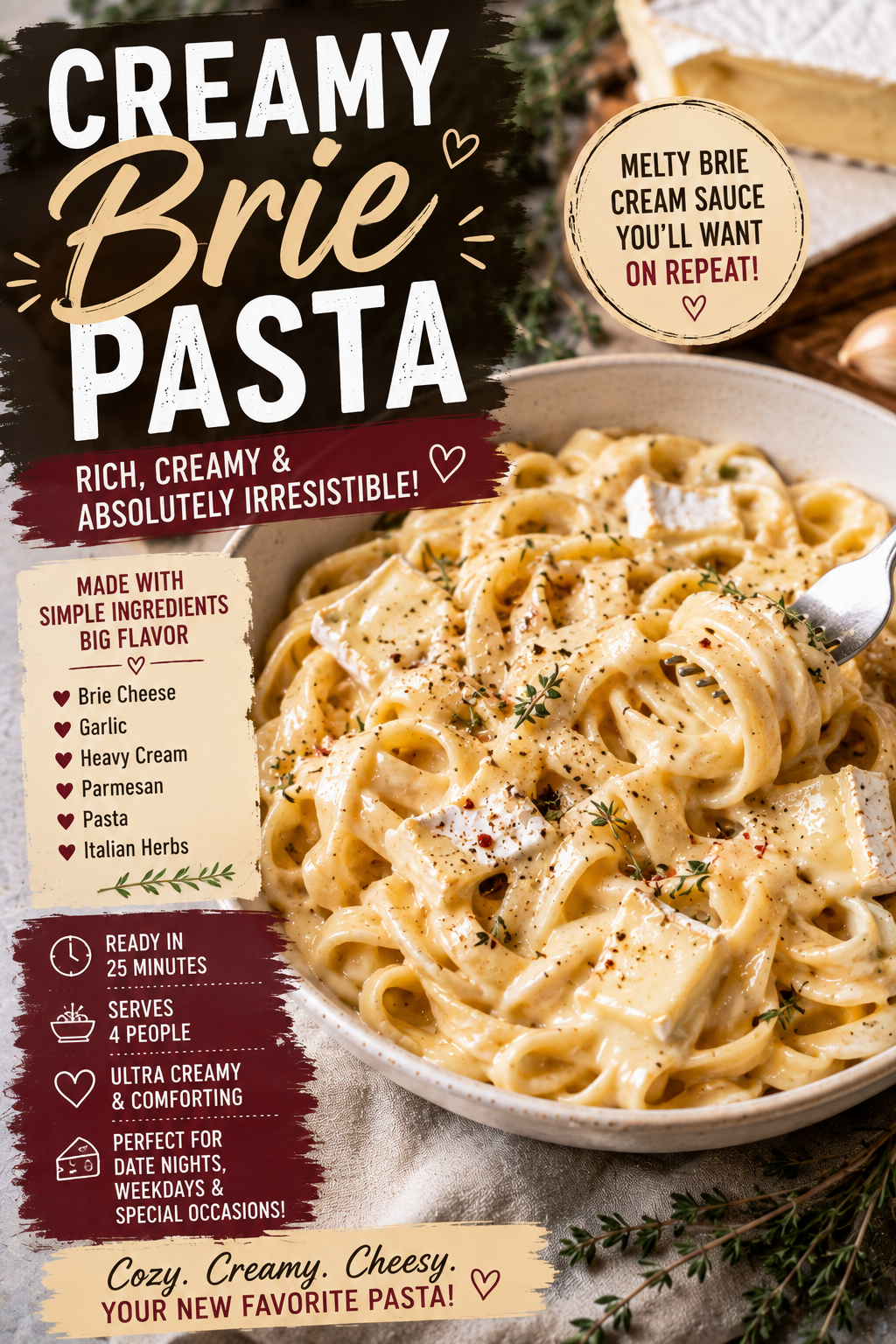
I didn’t expect brie to work as a pasta sauce. Genuinely didn’t.
Then I tried it, and now it’s one of the first things I make when I want dinner to feel like more effort than it actually was.
The brie melts down into this silky, almost buttery sauce. No cream, no roux, no standing over the stove whisking anything.
20 minutes. One pan. Ridiculously good result.
Here’s how to make it.
What You’ll Need
- 8 oz brie, rind removed, cut into chunks
- 12 oz pasta (fettuccine or penne both work well)
- 2 tbsp butter
- 3 cloves garlic, minced
- 1 cup cherry tomatoes, halved
- 2 cups fresh spinach
- 1/2 cup reserved pasta water
- 1 lemon, zested and juiced
- 1/4 cup parmesan, grated
- Salt and pepper, to taste
- Fresh basil, for topping
Tools You’ll Need
- Large pot, for boiling pasta
- Large skillet or saute pan
- Wooden spoon or tongs
- Microplane or zester
- Sharp knife
How to Make Creamy Brie Pasta
- Boil the pasta in salted water according to package directions. Reserve 1/2 cup of pasta water before draining.
- While the pasta cooks, melt the butter in a large skillet over medium heat.
- Add the garlic and cook for about 1 minute, until fragrant. Don’t let it brown.
- Add the cherry tomatoes and cook for 3-4 minutes, until they start to soften.
- Lower the heat and add the brie chunks. Stir gently as it melts into the sauce, about 2-3 minutes.
- Pour in the reserved pasta water a little at a time, stirring until the sauce turns smooth and silky.
- Add the spinach and stir until wilted.
- Toss in the drained pasta, lemon zest, and lemon juice. Mix until everything is coated.
- Stir in the parmesan, and season with salt and pepper.
- Top with fresh basil and serve immediately.
That’s the whole thing. 🧀
Pro Tips
A few things that make a real difference here:
- Remove the rind before melting. It technically melts too, but it can leave a slightly grainy texture in the sauce. Smoother without it.
- Cut the brie into small chunks. This helps it melt evenly instead of forming one stubborn clump in the middle of the pan.
- Save more pasta water than you think you need. The starch is what makes the sauce cling to the noodles instead of pooling at the bottom of the bowl.
- Keep the heat low once the brie goes in. High heat can cause the sauce to separate instead of turning smooth.
- Add the lemon juice last. It brightens the whole dish and keeps it from tasting too heavy.
Substitutions and Variations
| Swap This | For This | Why |
|---|---|---|
| Cherry tomatoes | Sun-dried tomatoes | More intense, concentrated flavor |
| Spinach | Arugula or kale | Slightly different texture and bite |
| Fettuccine | Penne or rigatoni | Holds the sauce well in the ridges |
| Parmesan | Pecorino | Sharper, saltier finish |
| Butter | Olive oil | Lighter, slightly different flavor |
Protein version: Add grilled chicken or crispy pancetta for a more filling dinner.
Extra veggie version: Toss in mushrooms or asparagus along with the tomatoes for more texture.
Make Ahead Tips
- The sauce is best made fresh, since brie doesn’t reheat as smoothly the second time around.
- You can chop the garlic, tomatoes, and spinach ahead of time to make dinner come together faster.
- If you do have leftovers, add a splash of water or milk when reheating to loosen the sauce back up.
Meal Pairing Ideas
- A simple arugula salad with lemon vinaigrette
- Garlic bread or a crusty baguette
- A glass of Sauvignon Blanc or a light Pinot Grigio
- Roasted asparagus on the side
Leftovers and Storage
- Store leftovers in an airtight container in the fridge for up to 3 days.
- Reheat gently on the stovetop over low heat with a splash of water or milk to bring the sauce back together.
- Skip the microwave if you can. It tends to make the sauce separate instead of staying smooth.
FAQ
Do I have to remove the rind? It’s not required, but it does give you a smoother sauce. If you leave it on, just make sure the brie is cut small enough to melt fully.
Can I use a different cheese? Camembert works as a close substitute. Cream cheese can work in a pinch, though the flavor is noticeably milder.
Why is my sauce grainy instead of smooth? This usually happens if the heat is too high when the brie melts. Keep it on low and stir gently, adding pasta water gradually.
Can I make this without tomatoes? Yes. They add a little acidity and color, but you can leave them out or swap in something like peas.
Is this recipe good for meal prep? It’s best fresh, but it does reheat reasonably well with a splash of liquid added back in. Just know the texture won’t be quite as silky the second day.
Wrapping Up
This is one of those recipes that feels a lot fancier than the effort it actually takes.
One pan, 20 minutes, and a sauce that somehow tastes like it came from a restaurant instead of your kitchen on a Tuesday.
Make it the next time you want dinner to feel a little more special without any extra work.
Drop a comment below and let me know how it turned out, or if you tried one of the variations. 🍝